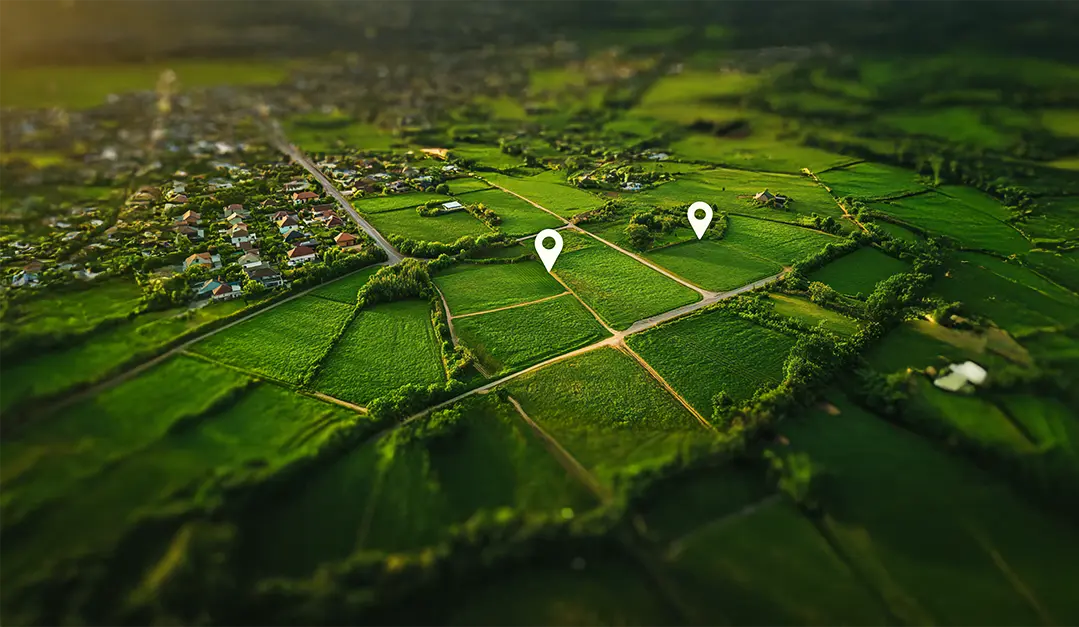



Understanding the Value of the Right Development Strategy
A plot of land is more than a physical asset. Depending on its location, planning framework, connectivity and permitted use, it can become a family home, a commercial establishment, a mixed-use development, a business facility or a long-term investment. The value of land therefore lies not only in its present price, but also in the possibilities it can support over time.
For a prospective buyer or investor, selecting land is an important strategic decision. Rather than looking only at size or price, it is useful to understand what the property can potentially become, what development is permitted and how the surrounding area may evolve.
1. Residential Development
Residential development remains one of the most common uses of land. A well-planned plot can provide the foundation for an independent home, villa, second home or future residential development, subject to applicable approvals and regulations.
For families, owning land can provide greater freedom to plan a home around their lifestyle, space requirements and long-term priorities. The surrounding environment also matters. Connectivity to schools, healthcare, employment centres, retail and other everyday facilities can influence the convenience and long-term desirability of a residential location.
2. Commercial Possibilities
Land in strategically developing locations may also have commercial potential where the permitted land use and planning regulations allow it. Depending on the location and approvals, commercial development may include offices, retail establishments, service businesses or professional spaces.
For commercial property, factors such as visibility, accessibility, traffic movement, surrounding population and the growth of nearby economic activity can be particularly important. A location that is easy to reach and connected to established or emerging activity can provide a stronger foundation for future commercial use.
3. Mixed-Use Development
As urban areas evolve, residential and commercial activities are increasingly being planned in closer proximity. Mixed-use development can bring together residential spaces, commercial activity and community-oriented facilities within a connected environment.
For investors and developers, such concepts can offer opportunities to diversify the use of a property. However, mixed-use development is subject to zoning, planning permissions, infrastructure capacity and other statutory requirements. The permitted use of a particular property should always be verified before making assumptions about its development potential.
4. Industrial and Business Infrastructure
Certain locations may be suitable for industrial, logistics or business-oriented development, depending on zoning and applicable permissions. Potential uses can include warehouses, manufacturing units, distribution facilities, storage and other business infrastructure.
For these applications, road connectivity, transportation networks, utility availability, access to markets and availability of a suitable workforce can play an important role. For businesses, selecting the right location can contribute to operational efficiency as well as long-term planning.
Location: The Foundation of Land Value
A plot should never be evaluated in isolation. Its surrounding ecosystem is an important part of the property’s overall potential. Existing development, infrastructure and future connectivity can influence how a location functions and how attractive it may become.
Connectivity
Accessibility is fundamental. Buyers should examine how easily the property connects to major roads, key destinations, employment centres and other important parts of the region.
Infrastructure
Roads, electricity, water supply, drainage and other essential services influence the practicality of development. It is useful to assess both the infrastructure currently available and infrastructure being planned or developed in the surrounding area.
Surrounding Development
Residential communities, educational institutions, healthcare facilities, commercial establishments and employment centres can contribute to the attractiveness of a developing location. Understanding what already exists around a property provides valuable context for evaluating it.
Future Growth
Emerging locations can change significantly as infrastructure and economic activity develop. Investors should study the direction of regional growth rather than relying solely on current conditions.
The Importance of a Development Strategy
The same piece of land can have different potential depending on the purpose for which it is acquired. An individual planning a future home will have different priorities from an entrepreneur considering commercial space or a developer evaluating a larger project.
A practical development strategy should consider the purpose of purchase, location, permitted land use, accessibility, infrastructure, development potential, budget and intended time horizon. This approach helps buyers evaluate a property beyond its quoted price per square foot.

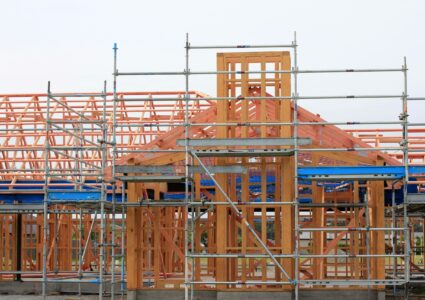
Land Investment Requires a Long-Term Perspective
Real estate decisions are often made with a long-term horizon. Over time, changes in infrastructure, population, employment, connectivity and commercial activity can influence the character of a region.
Future appreciation should never be treated as guaranteed. Market conditions can change, and every property carries its own risks. A more considered approach is to identify locations with sound fundamentals, conduct proper due diligence and make decisions based on verified information rather than speculation.
With increasing employment opportunities and planned infrastructure, North Bengaluru offers excellent long-term appreciation while maintaining a peaceful residential environment.
What Should You Check Before Buying a Plot?
Before purchasing land, prospective buyers should undertake appropriate legal, technical and commercial due diligence. Key areas include:
Title and Ownership: Verify ownership records and establish that the seller has the legal right to transfer the property.
Approvals and Permissions: Review the relevant approvals, permissions and development status applicable to the property.
Permitted Land Use: Understand the legally permitted use of the property and any restrictions that may apply.
Access and Roads: Confirm actual access to public roads and understand the surrounding road network.
Documentation: Review relevant property documents, survey records and other applicable documentation.
Infrastructure: Check the availability and status of essential services such as water, electricity, drainage and roads.
Professional Verification: Where appropriate, consult qualified legal, planning and property professionals before completing a transaction.
From a Plot to a Possibility
The most important idea behind land investment is simple: a plot is the beginning, not the end. It can represent a future home for a family, an opportunity for an entrepreneur, a development opportunity for a builder or a long-term asset for an investor.
Turning that potential into value, however, requires more than ownership. It requires the right location, careful planning, proper documentation, suitable infrastructure and a development strategy aligned with applicable regulations.
Why Premium Villa Plots?
Premium villa plots provide complete ownership, design flexibility, better privacy, lower maintenance costs, and stronger appreciation potential. Buyers increasingly prefer plotted communities that offer wide roads, green spaces, security, and planned infrastructure.
Why Choose SK Samruddhi Developers?
At SK Samruddhi Developers, we believe responsible real estate decisions begin with understanding the relationship between land, location and future possibilities. Whether the objective is residential living, business development or long-term investment, every property decision deserves careful evaluation.
Our approach is centred on understanding opportunities where location, connectivity, planning and the surrounding growth ecosystem come together. We believe informed buyers are better positioned to make decisions that align with their personal and financial objectives.
Every plot of land has multiple possibilities, but the right possibility depends on the right planning. For buyers and investors, the goal should not simply be to find land at an attractive price, but to understand its location, legal status, permitted use, infrastructure and long-term context.
A thoughtful approach to land today can create a stronger foundation for the opportunities of tomorrow.